The Ultimate Showdown: Nothing Phone 3 vs Motorola Edge 70 for 2026
Category: Mobile Phones
Introduction
As the smartphone market matures into 2026, buyers face a crowded field of devices that balance design, performance, camera capability, software experience, and long-term value. Two phones that often appear on consideration lists are the Nothing Phone 3 and the Motorola Edge 70. Each appeals to a distinct type of buyer: Nothing has built a reputation for bold, design-forward hardware and a minimal software personality; Motorola positions the Edge line as value-focused devices that deliver solid all-around performance with a strong emphasis on battery life and display quality.
This comparison examines both phones through the lens of real-world use cases—daily productivity, media consumption, photography on the go, travel, and longevity—so potential buyers can choose the model that best fits their needs in 2026. The analysis emphasizes areas buyers typically care about: build and design, display and multimedia, performance and software updates, cameras, battery and charging, connectivity and extras, and total cost of ownership.
Nothing Phone 3 — Detailed Review and Analysis
Design and Build
The Nothing Phone 3 continues the brand’s focus on distinctive aesthetics. Its design language favors transparent or semi-transparent materials (or finishes that mimic translucency), exposed accents, and a visual identity that's meant to stand out. For buyers who treat their phone as a style statement—matching accessories, wardrobes, and social media presence—this design approach remains a major selling point.
Display and Multimedia
Nothing devices have aimed to deliver clean, color-accurate displays suitable for everyday content consumption. The Phone 3 offers a tall aspect ratio for scrolling and multitasking, with adaptive refresh rates to balance smoothness and battery life. For streaming video, social media reels, and browser-based reading, the screen is tuned to be punchy without oversaturating colors, appealing to buyers who want media fidelity without exaggerated color profiles.
Performance and Software
Performance on the Phone 3 targets the mid‑to‑upper midrange user. Multitasking, social apps, light to moderate gaming, and navigation run smoothly. The differentiator is the software experience: Nothing OS (or its successor iterations) prioritizes a minimal, curated interface with thoughtful animations and reduced bloat. Buyers who prefer a unique but uncluttered UI and appreciate brand-led customization will find this attractive.
Camera System
Camera setups on Nothing phones traditionally emphasize usable, well-processed images rather than chasing raw megapixel wars. The Phone 3 aims to produce reliable daylight shots with natural tones and software-driven enhancements in challenging lighting. For users who prioritize quick point-and-shoot results for social sharing and casual photography, the camera delivers satisfying results. Enthusiasts looking for top-tier low-light performance or telephoto versatility may find limitations compared with higher-priced flagships.
Battery Life and Charging
Battery performance is balanced for a day of typical use—communications, navigation, streaming, and social media. Adaptive refresh rate and software optimizations help extend runtime. Charging speeds are competitive within the midrange segment, and wireless charging support (when present) adds convenience for users who prefer cable-free top-ups. Buyers who routinely exceed a single day of heavy use should plan for portable power solutions.
Looking for the best Mobile Phones deals on Amazon?
Browse Now →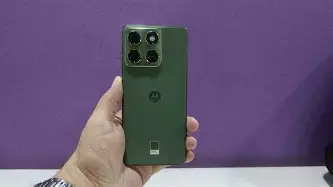
Connectivity, Repairability, and Ecosystem
Nothing emphasizes open ecosystems and accessory compatibility rather than locking users into a single brand universe. Repairability and parts availability improved industry-wide by 2026, and Nothing's devices generally follow that trend with accessible service options. For users who value freedom to choose earbuds, chargers, and cases, the Phone 3 fits well.
Who the Nothing Phone 3 is for
- Buyers who value distinctive design and want a phone that stands out visually.
- Users who prefer a clean, curated software experience with minimal bloat.
- People who do moderate camera work and prioritize on-device processing for share-ready images.
Pros & Cons
- Pros: Unique, recognizable design; clean, minimal software; solid day-to-day performance; pleasant display for media; good ecosystem flexibility.
- Cons: Not the top choice for heavy gaming or pro-level photography; battery may be average under sustained heavy use; premium design can come at a midrange price premium.
Motorola Edge 70 — Detailed Review and Analysis
Design and Build
The Motorola Edge 70 follows Motorola’s pragmatic design philosophy: clean lines, comfortable ergonomics, and materials that balance durability with a premium feel. It tends to favor understated finishes that appeal to buyers looking for a professional aesthetic rather than a flashy one.
Display and Multimedia
Motorola’s Edge models traditionally offer strong displays—attention to brightness, color accuracy, and smooth scrolling—making them excellent for media consumption. For buyers who watch long videos, read on the device, or enjoy mobile gaming, the Edge 70 provides a bright, even panel that performs well outdoors and in varied lighting.
Performance and Software
The Edge 70 targets users who want dependable performance. Everyday tasks, multitasking, and mid-level gaming run reliably. Mo…Camera System
Motorola often equips Edge phones with camera systems that prioritize versatility: reliable primary sensors, wide-angle options, and computational modes for night or portrait shots. In real-world use, the Edge 70 aims to be a dependable shooter for travel photos, family snapshots, and social sharing. It typically provides consistent performance across lighting conditions, making it a good fit for buyers who want an all-round photographic experience without buying a flagship.
Battery Life and Charging
Long battery life is a hallmark of many Motorola devices. The Edge 70 is positioned to last through heavy days with moderate to heavy screen-on time. Fast-charging support narrows downtime significantly for commuters and travelers who need a quick top-up. For users who prioritize uninterrupted daily use over flashy specs, this is a strong point.
Connectivity, Repairability, and Ecosystem
Motorola offers broad accessory compatibility and has a long history of carrier partnerships and after-sales service. This makes the Edge 70 a practical choice for buyers who want support options, trade-in programs, and wide availability of compatible accessories.
Who the Motorola Edge 70 is for
- Buyers seeking dependable battery life and a high-quality display for media.
- Users who want a near-stock Android experience with purposeful features and longevity.
- People who need a versatile camera system suitable for everyday and travel photography.
Pros & Cons
- Pros: Strong battery life and charging; bright, comfortable display; practical design and good build quality; consistent camera performance for everyday use.
- Cons: Less visually distinctive design; software updates and long-term support can vary by region and carrier; may lack cutting-edge design features some buyers want.
Side-by-Side Comparison
| Feature | Nothing Phone 3 | Motorola Edge 70 |
|---|---|---|
| Design | Bold, design-forward, visually distinctive | Understated, ergonomic, professional |
| Display | Balanced color profile, smooth adaptive refresh rates | Bright panel with comfortable viewing for media and outdoors |
| Performance | Upper midrange—snappy for daily tasks and light gaming | Reliable everyday performance, solid multitasking |
| Software | Minimal, curated UI with brand personality | Near-stock Android with practical Motorola features |
| Camera | Natural processing for social-ready photos; good daytime shots | Versatile, consistent performance across conditions |
| Battery & Charging | Balanced all-day battery; wireless charging support when included | Longer-lasting in heavy use; fast charging for quick top-ups |
| Extras | Unique brand ecosystem, emphasis on design-led accessories | Strong carrier and accessory support; practical utility features |
| Value | Appeals to buyers who pay a premium for design and experience | Strong value for buyers prioritizing battery and display quality |
Real-World Use Cases and Buyer Considerations
For Commuters and Frequent Travelers
Commuters need reliable battery life, fast charging, and a readable display for morning news or navigation. Motorola’s history of optimizing battery life and its strong displays make the Edge 70 appealing in this scenario. The Phone 3’s design and balanced battery performance still serve commuters well, but those who prioritize long hours between charges may prefer Motorola.
Find top-rated Mobile Phones products at great prices.
View Offers →For Style-Conscious Buyers
Users who treat a smartphone as a fashion accessory or a statement piece will appreciate the visual identity of the Nothing Phone 3. It complements curated wardrobes and social profiles. Motorola’s design is more understated and practical; it blends into professional contexts rather than standing out.
For Mobile Photographers and Social Sharers
Buyers who take quick photos for social sharing, travel snapshots, and everyday memories want reliability and good processing. The Nothing Phone 3 simplifies post-capture processing for share-ready images. The Edge 70 typically offers broader versatility—wide-angle shots and consistent results across lighting—making it suited to travel photographers who value flexibility.
For Long-Term Ownership and Resale
Long-term ownership concerns include software update policy, repairability, and resale value. Motorola has a long-established service network and broad availability, which can help with repairs and trade-ins. Nothing’s brand cachet and distinctiveness can preserve resale appeal among design-minded buyers but assess local service options and update commitments when choosing either phone.
Buying Guide: How to Choose Between the Two
Use the following checklist to match the phones to a buyer’s priorities. Weigh these factors according to day-to-day needs rather than headline specs.
- Design priority: Choose the Nothing Phone 3 if aesthetics and a distinctive look matter; choose the Edge 70 for a conservative professional appearance.
- Battery and uptime: If long operating hours and fast top-ups are essential, lean toward the Motorola Edge 70.
- Software preference: For a curated, brand-led UI with fewer preinstalled apps, the Nothing Phone 3 is compelling. For a near-stock Android feel with practical gestures, the Edge 70 is preferable.
- Camera needs: For daily social photography and natural processing, Nothing is strong; for versatile shooting across scenes and travel photography, Motorola’s system is dependable.
- Budget and total cost of ownership: Compare local pricing, warranty terms, and carrier deals. The perceived value depends as much on after-sales support and update policies as on the purchase price.
- Accessory and repair ecosystem: Motorola’s widespread availability gives it an edge for easy repairs and accessory sourcing; Nothing appeals to buyers who want unique accessories and brand-fit gear.
Practical buying tips
- Test the display in person when possible—brightness and color tuning affect daily comfort.
- Check update policies and recent track records for both brands in your region.
- Consider storage and memory configurations based on long-term needs: photo libraries, apps, and media increasingly drive capacity choices.
- Assess local repair options and insurance plans if durability and quick fixes are important.
Conclusion
Neither the Nothing Phone 3 nor the Motorola Edge 70 is an objectively better phone for everyone in 2026; they are tuned to different priorities. The Nothing Phone 3 stands out for buyers who want a phone that makes a visual statement and offers a clean, design‑focused software experience. The Motorola Edge 70, by contrast, appeals to buyers who prioritize battery life, a reliable display for media consumption, and broad practical support.
Ultimately, the best choice depends on how the phone will be used day to day: choose Nothing for style and a curated interface; choose Motorola for endurance, display comfort, and steady all-around performance. Evaluating local pricing, software update commitments, and hands-on feel will help finalize the decision that best matches real-world needs.