I Switched to the Laminate Floor and Here is What Happened
Introduction
When a homeowner decides to change flooring, the decision often balances aesthetics, durability, cost, and lifestyle. In many recent home renovations, laminate flooring has emerged as a popular choice because it combines convincing wood-like visuals with straightforward installation and lower cost than traditional hardwood. This article examines what happened after the switch to a laminate floor: how it performed in daily life, what buyers typically care about, and whether it is an appropriate choice for various real‑world use cases such as home offices, living rooms, kitchens, and spaces with electronics.
Detailed Product Review and Analysis
What laminate flooring is and how it is constructed
Laminate flooring is a multi-layer synthetic product fused together through lamination. The typical stack-up includes a wear layer (transparent, protective), a decorative layer (high-resolution photographic image that emulates wood, stone, or tile), a high-density fiberboard (HDF) core that provides structure and stability, and an optional backing layer for moisture balance. Modern manufacturing advances have also produced water-resistant and waterproof laminates that alter the core or add specialized coatings.
Appearance and finish
One of the strongest selling points is visual realism. The decorative photographic layer can convincingly mimic oak, walnut, or exotic species with realistic grain patterns and textures. Finishes range from matte and hand‑scraped to high gloss. Buyers who care most about appearance should inspect samples under their own lighting, since colors shift between showroom lights and natural daylight in a home.
Durability and wear layer
Durability depends largely on the wear layer and the product’s abrasion class (commonly called AC rating). Residential-grade options typically carry AC3 or AC4 ratings, which are designed for living rooms, hallways, and moderate commercial traffic respectively. Thick wear layers and embossed-in-register textures help hide fine scratches and show less wear over time. For households with pets or heavy foot traffic, choosing a higher AC rating and a textured finish is advisable.
Water resistance and moisture behavior
Traditional laminate is susceptible to moisture because the HDF core swells if exposed to water. Newer waterproof laminates either use a modified core or specialized edge sealing to resist moisture. For kitchens and bathrooms, buyers should choose products explicitly rated for water resistance or waterproof performance. For basements or areas with possible subfloor moisture, additional vapor barriers or installing a fully waterproof plank is necessary.
Sound and electronics environment
Laminate flooring is denser than some vinyl options and reflects sound differently than soft surfaces like carpet. In homes with home theaters, electronics setups, or workspaces where acoustics matter, choosing the right underlayment is important. Underlayment can reduce impact noise, improve comfort underfoot, and provide minor thermal insulation—factors that affect how speakers and microphones behave in the room. For rooms with sensitive electronics, antistatic or electrostatic-dissipative (ESD) laminate variants can minimize static buildup.
Installation and compatibility with underfloor heating
Most laminate floors use a click-lock floating installation that does not require glue or nails. This makes DIY installation feasible for motivated homeowners. Laminate generally performs well over concrete and wood subfloors if they are level and dry. Compatibility with underfloor heating exists, but not all laminate lines are rated for it—buyers should confirm the manufacturer’s guidance. When compatible, the system must maintain surface temperatures within the laminate’s limits and include an appropriate vapor barrier.
Maintenance and longevity
Maintenance is relatively simple: regular sweeping or vacuuming, occasional damp mopping with a manufacturer-approved cleaner, and immediate attention to spills. Protective pads on furniture and area rugs in high-traffic zones prolong life. Under normal household use, a quality laminate installation can perform well for 10–25 years depending on wear, exposure to moisture, and the product’s rated durability.
Environmental and indoor air quality considerations
Buyers who care about indoor air quality should look for low VOC certifications and compliance with formaldehyde emissions standards. Many modern manufacturers provide certification information; choosing products with transparent material disclosures reduces the risk of unexpected odors or long-term emissions.
Shop the latest Electronics picks on Amazon.
Browse Now →Real-World Use Cases
Laminate adapts to a variety of situations. Below are typical scenarios and how laminate performs in each:
- Family living rooms and hallways: High-traffic areas benefit from a durable wear layer and textured finish. Laminate stands up well to heavy footfall and toy-filled households when a harder wearing grade is selected.
- Kitchens: Kitchens require careful selection. Waterproof or water-resistant laminates, combined with prompt spill cleanup, work well. Edge sealing and underlayment are critical near sinks and dishwashers.
- Home offices: Laminate's smooth surface supports rolling chairs, but casters with hard wheels can accelerate wear—soft polyurethane casters or chair mats protect the surface. Antistatic options are useful when sensitive electronics are present.
- Home theater or media rooms: Underlayment choices affect acoustic performance. Dense underlayment can reduce floor-borne vibrations and improve perceived sound quality.
- Basements and rental units: Waterproof options are preferable in basements. For rentals, laminate strikes a balance between cost and appearance while offering ease of replacement.
Pros & Cons
- Pros:
- Cost-effective compared to solid hardwood
- Wide range of realistic visuals and finishes
- DIY-friendly click-lock installations
- Reasonable durability for daily household life
- Lower maintenance than hardwood (no refinishing required)
- Available in water-resistant and waterproof variants
- Cons:
- Traditional laminate is susceptible to prolonged moisture exposure
- Cannot be refinished like solid hardwood if deeply damaged
- Some products can have less perceived warmth underfoot
- Sound can be more reflective without correct underlayment
- Quality varies widely—some low-cost laminates wear quickly
How Laminate Compares to Other Floor Types
| Feature | Laminate | Solid Hardwood | Luxury Vinyl Plank (LVP) | Engineered Wood |
|---|---|---|---|---|
| Durability (everyday) | High (with good wear layer) | Moderate to high; can dent | High; often waterproof | High; similar to hardwood |
| Water Resistance | Low to moderate; some waterproof options | Low | High (many are waterproof) | Moderate; depends on top layer |
| Cost | Low to moderate | High | Moderate | Moderate to high |
| Installation Ease | Easy (floating click systems) | Challenging; often nailed/glued | Easy to moderate | Moderate |
| Maintenance | Low | Moderate; refinishing possible | Low | Moderate |
| Refinishable | No | Yes | No | Sometimes (thin sanding) |
| Underfloor Heating Compatible | Some products | Yes (with limits) | Many products | Many products |
Buying Guide: What to Look For
1. Determine the room and use case
Make a short list of rooms where the laminate will be installed and the typical activities in those rooms. High-traffic areas and spaces with potential moisture require tougher, water-resistant products and possibly thicker boards.
2. Understand durability ratings
Look at the abrasion class (AC) or manufacturer’s durability claims. For most homes, an AC3 or AC4 rating is sufficient; for heavy commercial traffic or households with large pets, seek higher ratings or commercial-grade laminates.
3. Choose appropriate thickness and core
Common thicknesses are 7–12mm and up to 14mm for premium boards. Thicker boards often feel more substantial an…4. Inspect the locking system and edge profile
A precise click-lock system makes installation smoother and more secure. Also, look for bevel profiles and edge sealing treatments; these affect both appearance and moisture resistance.
5. Confirm water and warranty specs
Read warranty fine print for moisture exclusions. Waterproof products often come with specific installation requirements—adhere to them for warranty validity.
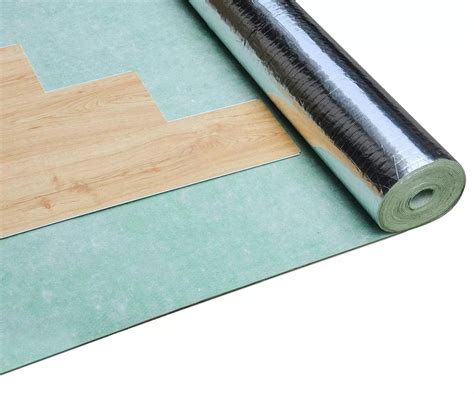
6. Choose the right underlayment
Underlayment choices affect soundproofing, comfort, and moisture protection. Use a vapor barrier over concrete slabs if recommended. For better acoustics and comfort, choose thicker or higher-density options.
7. Check indoor air quality certifications
Look for low VOC certifications or testing like FloorScore or compliance with applicable formaldehyde emission standards. This is especially important for newly built or tightly sealed homes.
Shop the latest Electronics picks on Amazon.
Shop Amazon →8. Plan for transitions and thresholds
Ensure compatible transition strips and stair nosing are available for the product line. Transition mismatches are common and can complicate finishing touches.
9. Measure and budget for waste
Order 5–10% extra material for waste, angled cuts, and future repairs. Larger rooms or rooms with many alcoves may require more. Factor in underlayment and trim pieces when budgeting.
10. Tools and installation time
Essential tools include spacers, tapping block, pull bar, jigsaw or circular saw, utility knife, and mallet. For a competent DIYer, installation of a typical 150–300 sq ft room can be completed in a day or two, depending on complexity. Professional installation reduces risk of mistakes and often comes with installation warranties.
Practical Maintenance and Troubleshooting Tips
- Daily care: Sweep or vacuum (use hard-floor attachment) regularly to remove grit that can scratch the wear layer.
- Spill response: Wipe spills promptly with a damp cloth; avoid leaving water pooling on seams.
- Cleaning products: Use manufacturer-approved cleaners. Avoid abrasive scrubbers and steam mops unless the product explicitly allows them.
- Preventative protection: Felt pads under furniture and mats at entries reduce localized wear.
- Temperature and humidity: Maintain relative humidity in the 35–65% range when possible to minimize expansion and contraction.
- Minor repair: Replace damaged planks where possible—click-lock systems allow targeted plank replacement without removing an entire floor in many cases.
Final Observations and Conclusion
Switching to a laminate floor delivers a practical blend of aesthetics, value, and convenience for many homeowners. In daily life, laminate performs particularly well in living spaces, home offices, and rental units where visual appeal and low maintenance are priorities. Its limitations—chiefly susceptibility to prolonged moisture and inability to be refinished—can be managed by selecting the right product for the room, using suitable underlayment, and following installation guidance.
For buyers focused on electronics-heavy environments, laminate can be a suitable choice when attention is paid to acoustics and static control. Choosing proper underlayment improves sound performance for home theaters and recording spaces, while antistatic laminates mitigate electrostatic concerns around sensitive equipment.
Ultimately, the success of a laminate floor comes down to selecting a quality product that matches the household’s needs, preparing the subfloor properly, and following recommended installation and maintenance practices. When these elements align, the homeowner enjoys a durable, attractive floor that looks and functions well for years—delivering the outcome they hoped for when they made the switch.